Understanding Structural Steel Construction
Structural steel construction forms the backbone of modern engineering projects, playing a critical role in the skyscrapers, bridges, and industrial buildings that dominate urban landscapes. This resilient and versatile material not only supports extraordinary loads but also allows for innovative architectural designs. As industries evolve and construction methods advance, understanding the fundamentals of structural steel construction becomes essential for architects, engineers, and builders alike. Incorporating high-quality structural steel construction into development projects ensures the longevity, safety, and efficiency of structures.
What is Structural Steel?
Structural steel is a category of steel used for making construction materials in a variety of shapes. It is characterized by its high strength-to-weight ratio, which makes it an ideal candidate for supporting structures. This material is typically manufactured in accordance with strict industry standards and can take on various forms such as beams, columns, and plates.
Importance of Structural Steel in Modern Construction
The importance of structural steel in modern construction cannot be overstated. Its key advantages include:
- Strength: Structural steel can withstand high-load conditions, ensuring that buildings are safe and reliable.
- Flexibility: Steel can be fabricated into various shapes and sizes, accommodating intricate designs and large spans.
- Durability: Unlike other materials, steel is resistant to various environmental factors such as wind, pests, and fire when treated appropriately.
- Speed of Construction: Prefabrication of steel components significantly reduces on-site construction time and labor costs.
Types of Structural Steel Used in Construction
Several types of structural steel are utilized in construction, each serving distinct purposes:
- Steel Beams: Used primarily in the framework of a building to transfer loads.
- Steel Columns: Vertical members that support beams and provide stability.
- Steel Plates: Used for various applications including bridges and wall shear applications.
- Steel Frames: Combinations of beams and columns that create the load-bearing infrastructure of buildings.
Planning and Designing Steel Structures
Essential Design Considerations for Structural Steel
The design process for structural steel construction is intricate and requires careful consideration of numerous factors. Key considerations include:
- Load Analysis: Engineers must conduct a thorough load analysis to ensure that the structure can withstand all anticipated loads, including dead loads, live loads, and environmental loads such as wind and seismic activity.
- Material Selection: Choosing the appropriate steel type and grade is critical, as different applications may require varying strengths and corrosion resistance.
- Construction Methods: Understanding the construction techniques available can guide the design process, ensuring that it aligns with practical execution methods.
- Cost Efficiency: Designs must also consider budget constraints while aiming for structural integrity and aesthetics.
Building Codes and Regulations Affecting Steel Construction
Compliance with local building codes and regulations is paramount in structural steel construction. These regulations ensure safety and sustainability, addressing aspects such as:
- Structural Integrity: Codes specify minimum design loads—factor in the performance criteria that steel structures must meet.
- Fire Safety: Regulations outline fire-rated assemblies and the necessary protective coatings for steel.
- Accessibility: Compliance with accessibility guidelines ensures that structures are usable for all individuals.
Collaboration Between Architects and Engineers
The collaboration between architects and engineers is crucial to the success of steel construction projects. Effective communication fosters an understanding of architectural intent while ensuring that structural requirements are met. Regular meetings and an integrative approach to design and construction can enhance project outcomes. Building information modeling (BIM) is now commonly used to foster collaboration and streamline the design process.
Best Practices in Structural Steel Fabrication
Quality Control in Steel Fabrication Processes
Quality control in steel fabrication is essential to ensure the integrity and durability of structural components. Implementing rigorous quality assurance protocols can reduce the risk of defects and structural failures. Best practices include:
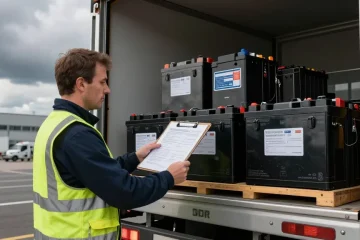
- Material Inspection: All steel materials should be inspected upon delivery to confirm compliance with specifications.
- Continuous Monitoring: Ongoing inspections during fabrication help maintain adherence to guidelines and standards.
- Final Testing: Components should undergo final testing for structural integrity before being dispatched to the construction site.
Common Challenges in Steel Fabrication and Solutions
Steel fabrication may encounter several challenges, including:
- Design Changes: Late-stage design modifications can complicate fabrication schedules. Utilizing BIM can help anticipate changes and streamline processes.
- Supply Chain Disruptions: Fluctuations in material availability can delay projects. Building reliable relationships with suppliers can mitigate this risk.
- Welding Issues: Poor welding can lead to structural failures. Employing qualified and certified welding personnel is critical.
Innovations in Steel Fabrication Technologies
Innovation is driving advancements in steel fabrication technologies, enhancing efficiency and precision. Notable innovations include:
- Automated Cutting and Welding: Modern CNC machines provide precise fabrication, minimizing human error.
- 3D Printing: Emerging technologies are allowing for complex designs to be printed, thereby reducing waste and improving sustainability.
- Digital Twin Technology: This allows for real-time monitoring of fabrication processes, enhancing quality control and operational efficiency.
Construction Techniques for Steel Structures
Efficient Erection Methods for Steel Frameworks
The erection of steel frameworks is a critical phase in the construction process, and employing efficient techniques is vital for throughput and safety. Common methods include:
- Pre-Assembly: Components are pre-assembled off-site to expedite the on-site erection process.
- Crane-Lifting Techniques: Cranes are utilized to hoist heavy steel components into position, often using rigging systems for stability.
- Bracket Systems: Temporary brackets can support steel members during erection until they are permanently connected.
Safety Protocols During Steel Construction
Safety is paramount in the construction industry, and especially in complex steel projects. Best practices include:
- Personal Protective Equipment (PPE): Ensuring that all workers are equipped with the necessary protective gear.
- Fall Protection Systems: Implementing safety nets, guardrails, and harnesses to protect workers from falls.
- Regular Safety Training: Conducting ongoing training sessions to maintain high safety awareness.
Project Management Strategies for Steel Construction
Effective project management ensures that steel construction projects are delivered on time and within budget. Key strategies include:
- Project Scheduling: Developing detailed schedules that outline all phases of the project from planning through to completion.
- Resource Allocation: Efficiently managing resources, including labor and materials, to prevent bottlenecks.
- Communication: Establishing clear communication between all stakeholders to facilitate a smooth workflow.
- Risk Management: Identifying potential risks and developing mitigation strategies proactively.
Evaluating the Performance of Steel Structures
Key Performance Metrics for Structural Steel
Measuring the performance of steel structures involves evaluating several key metrics:
- Load Tolerance: Assessing how well the structure can support its intended loads.
- Serviceability: Evaluating deflection, vibration, and other factors that might affect comfort and usability.
- Durability: Analyzing how well the material withstands environmental factors and wear over time.
Maintenance Considerations Post-Construction
Regular maintenance is essential to preserve the integrity and performance of steel structures. Key maintenance practices include:
- Routine Inspections: Conducting regular inspections to identify deterioration or structural issues.
- Protective Coatings: Applying protective coatings to prevent corrosion and extend the structure’s lifespan.
- Repair Protocols: Establishing a documented process for addressing any structural damage or wear.
Future Trends in Structural Steel Construction
The future of structural steel construction looks bright with trends that may shape the industry, including:
- Increased Sustainability: The growing demand for green building materials is influencing the development of recyclable and sustainable steel options.
- Greater Use of Automation: Automation and robotics are being integrated into the construction process, enhancing efficiency and reducing labor costs.
- Integration of Smart Technologies: The incorporation of sensor technology will allow for better monitoring and maintenance of steel structures.