
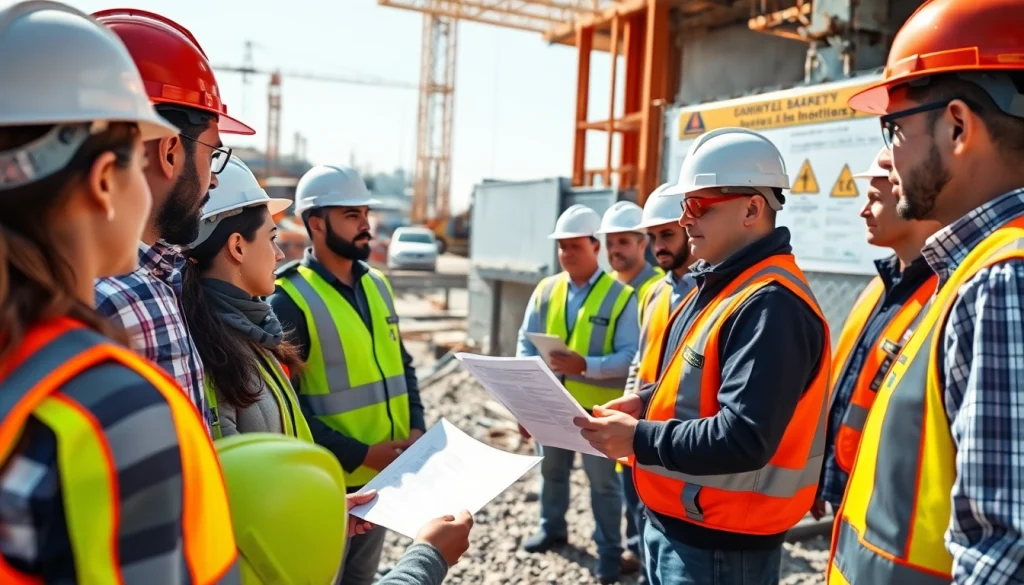
Introduction to Construction Safety Training
Construction safety training is a critical component of any construction project, equipping workers with the knowledge and skills necessary to navigate the dangers associated with construction work. From heavy machinery to high elevations, the construction industry presents a unique set of hazards that can lead to severe injuries or even fatalities if not managed properly. The paramount goal of such training programs is to foster a culture of safety among workers and ensure compliance with industry regulations. In this context, construction safety training becomes not only a legal obligation but a moral imperative to safeguard the workforce.
Importance of Construction Safety Training
Construction safety training is vital for several reasons:
- Risk Mitigation: Construction sites are rife with potential hazards. Proper training equips workers to identify risks and take preventive measures, significantly reducing the likelihood of accidents.
- Legal Compliance: Many regions have stringent laws governing workplace safety. Training helps ensure compliance with these regulations, reducing the risk of legal repercussions for employers.
- Employee Retention and Morale: A strong safety culture can improve job satisfaction and retention rates, as workers feel valued and protected in their work environment.
- Financial Benefits: Reducing accidents and injuries leads to lower insurance premiums and less downtime, contributing to the overall profitability of construction projects.
Legal Requirements and Regulations
Understanding and adhering to legal requirements surrounding construction safety training is crucial for both employers and employees. The Occupational Safety and Health Administration (OSHA) sets forth guidelines that mandate safety training for various construction-related activities. Employers must provide training for specific risks associated with their particular job site, ensuring that workers are knowledgeable about safe practices, emergency procedures, and the appropriate use of personal protective equipment (PPE). Compliance with these regulations not only protects employees but also shields employers from potential litigation and penalties.
Key Objectives of Training Programs
Effective construction safety training programs are designed with specific objectives in mind, including:
- Helping employees to recognize hazards in the workplace and understand how to mitigate these risks.
- Training workers on the proper use of safety equipment and PPE.
- Promoting awareness of the legal obligations related to safety in the construction industry.
- Instilling a proactive safety culture where each employee actively contributes to health and safety practices.
Common Hazards in Construction
Identifying Safety Risks on Job Sites
Identifying safety risks is the first step in preventing accidents on construction sites. Common hazards include:
- Slips, Trips, and Falls: Often caused by uneven surfaces or poorly maintained walkways.
- Falling Objects: Tools and materials can fall from heights, posing risks to workers below.
- Electrical Hazards: Construction sites frequently involve the use of electrical tools and fittings, which can pose shock or fire risks.
- Heavy Machinery: Operating machinery incorrectly can result in severe injuries to the operator and nearby workers.
Regular safety audits and hazard assessments can help in effectively identifying and mitigating these risks.
Understanding Equipment Safety Standards
Every piece of equipment used in construction must meet specific safety standards to protect users and those around them. Familiarity with these standards ensures that machinery is adequately maintained, operated within safety limits, and that operators are trained in their use. Common equipment includes:
- Excavators and backhoes, which require training on operation, maintenance, and safe maneuvering.
- Scaffolding, which must be correctly assembled and inspected regularly for structural integrity.
- Personal Protective Equipment (PPE), which includes hard hats, gloves, goggles, and other gear designed to protect workers from hazards.
Common Injuries and Prevention Strategies
Injuries on construction sites can result from various causes, and understanding these incidents can inform prevention strategies. Some common injuries include:
- Traumatic Injuries: Often resulting from falls or mishandled equipment.
- Repetitive Strain Injuries: Caused by the overuse of certain muscle groups during tasks.
- Burns and Electrical Shock: Associated with unsafe electrical practices or exposure to hot surfaces.
To prevent injuries, employers should implement strategies such as:
- Regular safety training and refreshers for current employees.
- Establishing clear communication protocols concerning safety practices.
- Utilizing ergonomic tools to reduce strain and injury.
- Encouraging reporting of near misses to identify potential risks before they result in injury.
Implementing Effective Training Programs
Designing a Training Curriculum
A comprehensive training curriculum must be tailored to the specific needs of the workforce and the unique hazards of a construction site. Key elements of an effective program include:
- Module-based training, covering topics such as hazard recognition, equipment operation, and emergency response.
- Practical, hands-on training sessions that allow workers to practice skills in a controlled environment.
- Clear learning objectives and outcomes, ensuring that employees understand what they are expected to learn.
Using Technology in Training
Incorporating technology into training programs can enhance the learning experience. Techniques such as virtual reality simulations allow trainees to experience dangerous scenarios in a safe environment. Online training platforms can provide flexibility in learning schedules, enabling workers to complete essential courses at their convenience. Additionally, mobile applications can be used to provide on-the-go reference materials and training updates.
Creating an Engaging Learning Environment
To foster an engaging training atmosphere, trainers should:
- Utilize interactive training methods such as group discussions and role-playing exercises.
- Encourage feedback and questions from participants to enhance understanding.
- Provide real-life case studies and examples to illustrate the importance of safety practices.
Incorporating these techniques can help sustain attention and improve knowledge retention among trainees.
Measuring Training Effectiveness
Assessing Learner Competency and Knowledge Retention
It is essential to measure the effectiveness of training programs to ensure that workers have acquired the necessary skills and knowledge. This can be achieved through:
- Pre- and post-training assessments to evaluate knowledge gains.
- Practical demonstrations where participants must apply what they have learned.
- Self-assessment questionnaires, allowing trainees to identify their confidence in safety practices.
Conducting Follow-Up Evaluations
To maintain safety standards, follow-up evaluations should be conducted periodically. These evaluations can help identify areas needing improvement in training or practices on the job site. Employing techniques such as site audits and employee feedback ensures that the training remains relevant and effective. Additionally, tracking incident reports can provide insight into whether training has successfully reduced accidents.
Adjusting Training Based on Feedback
Continuous improvement is vital in safety training. Training programs should be dynamic and adaptive to new information, trends, or technologies. Utilizing feedback from trainees provides valuable insights into the course structure, materials, and practical applications. Based on this feedback, trainers can iterate and enhance curricula, ensuring they meet the evolving needs of the workforce.
Continuing Education and Best Practices
Staying Updated with Industry Trends
The construction industry is constantly evolving, with new technologies, techniques, and regulations leading to changes in safety practices. Continuous education is essential for staying abreast of these trends. Workers should be encouraged to attend workshops, seminars, and industry conferences to enhance their knowledge and expertise. Subscribing to industry publications and resources can also ensure that they remain informed about the latest developments and best practices.
Promoting a Continuous Learning Culture
Organizations should foster a culture of continuous learning where safety is prioritized. This can be achieved through:
- Incentives for employees who actively participate in training programs and safety initiatives.
- Regularly scheduled safety meetings where staff can share insights and experiences.
- Encouraging cross-training among employees to cultivate a greater awareness of safety across job functions.
Case Studies of Successful Training Implementations
Several organizations have successfully implemented effective construction safety training programs that serve as models for others. For instance, a national construction firm revamped its training methodology by incorporating digital platforms and immersive training techniques, resulting in a 50% reduction in workplace incidents within a year. These success stories can inspire other companies to reevaluate their training approaches with an aim to enhance safety outcomes.