
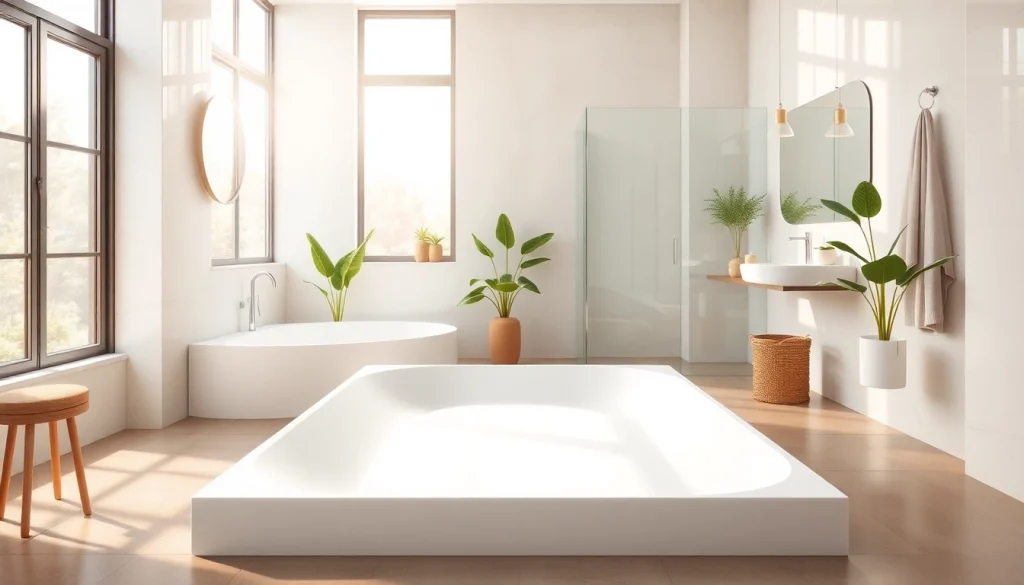
Understanding Shower Base Types
When it comes to renovating or building a bathroom, selecting the right shower base is a crucial decision. The type you choose can impact not only the functionality of your shower but also the overall aesthetic of your bathroom. With various shower base options available, it’s essential to understand the differences in types, materials, shapes, and sizes to find the perfect fit for your space.
Popular Materials for Shower Bases
Different materials come with their unique benefits and drawbacks. Here’s a deeper look into a few popular materials used for shower bases:
- Acrylic: Lightweight and easy to install, acrylic shower bases are some of the most popular options. They are available in various colors and designs, providing versatile aesthetic choices. Acrylic is resistant to scratches and stains but may require extra care to prevent fading.
- Fiberglass: This material offers affordability and is lightweight. Fiberglass shower bases are non-porous, meaning they are resistant to mold and mildew, making cleaning easier. However, they can be less durable over time and susceptible to cracking.
- Stone Resin: For those looking for luxury, stone resin is a great choice. It has a natural stone look and provides a durable surface. The material is heavier and may require professional installation, but it is famously strong and long-lasting.
- Ceramic Tile: While more common as a wall covering, ceramic tile can also be used for shower bases. They allow homeowners to match their shower base with the bathroom’s tiled walls, providing a cohesive design. However, tiled bases typically require more maintenance due to grout lines.
Different Shapes and Sizes
Shower bases come in a variety of shapes and sizes to accommodate different spaces:
- Rectangular and Square: Ideal for conventional bathrooms, these shapes provide ample showering space while making the installation straightforward.
- Neo-Angle: These bases are great for smaller bathrooms, fitting snugly into corners and maximizing the available space.
- Custom Shapes: For unique bathrooms that need personalization, custom shower bases can be molded to fit your specific space and aesthetic needs.
Choosing the Right Type for Your Space
Your choice shouldn’t be based solely on aesthetics; functionality plays a vital role as well. Consider factors such as:
- Size of the Bathroom: A compact bathroom would benefit from a smaller shower base shape, whereas a larger bathroom may accommodate more elaborate choices.
- Style Preferences: Your choice of materials and colors should match your overall design theme, be it modern, traditional, or minimalist.
- Accessibility Needs: If you require easier access for mobility challenges, look into low-threshold shower bases.
Benefits of Upgrading Your Shower Base
Upgrading your shower base comes with several advantages, making it a worthwhile investment for any homeowner.
Improved Aesthetics and Style
A modern shower base can drastically enhance your bathroom’s appearance. Updating an outdated or damaged shower base to a new model can reflect your personal style and aesthetic preferences. Choose materials and colors that complement your overall design, effectively turning your shower area into a visual centerpiece.
Enhanced Durability and Maintenance
Older shower bases may show signs of wear such as cracks and discoloration. In contrast, modern materials—like stone resin or acrylic—offer better resistance to damage and staining. Not only will upgrading improve longevity, but these new materials also tend to be easier to clean, requiring less frequent maintenance.
Increased Property Value
Investing in a new shower base can increase the overall value of your property. Potential homebuyers look favorably on bathrooms that are modernized and functional, and a sleek, well-installed shower base can make a positive impression that translates into higher market value.
Installation Tips for Shower Bases
Successfully installing a shower base involves meticulous planning and execution. Follow these installation tips to ensure a smooth process:
Preparation of the Bathroom Space
Before beginning installation, prepare your bathroom by ensuring that plumbing and flooring are appropriately aligned. Remove any old fixtures, and clean the area thoroughly to ensure your new base will adhere correctly. Address any sub-floor irregularities to provide a stable foundation.
Key Tools and Materials Needed
Here’s a checklist of key tools and materials that will aid in your installation:
- Measuring tape
- Level
- Thin-set mortar or adhesive
- Sealant
- Caulking gun
- Utility knife
- Sponge and bucket for cleaning excess materials
Step-by-Step Installation Guidance
Follow these steps for a basic installation:
- Measure and mark the location where the shower base will sit.
- Prepare the area by ensuring that the flooring is even. Any irregularities should be smoothed out.
- Apply thin-set mortar or adhesive to the prepared floor according to the manufacturer’s instructions.
- Carefully position the shower base on the mortar and ensure it is level. Adjust if necessary.
- Allow the adhesive to set according to the recommended time before proceeding to install walls or fixtures.
- Seal the edges with caulk to prevent water leaks.
Maintaining Your Shower Base
Keeping your shower base in good condition requires regular maintenance. Here are some essential tips:
Regular Cleaning Practices
Adopt a weekly cleaning routine using a mixture of warm water and a mild detergent. Avoid harsh chemicals, as they can damage the surface over time. Use a non-abrasive sponge or cloth to eliminate soap scum and dirt.
Identifying and Addressing Damage
Check your shower base regularly for cracks or signs of mold. For minor cracks, consider filling them with a suitable repair compound. If you notice excessive damage, you may need to consult a professional for a replacement.
Long-Term Care Providers
If you’re unsure about how to maintain your shower base, consider hiring professional cleaning and maintenance services. They can offer targeted advice and procedures that cater specifically to the material your base is made of.
FAQs on Shower Bases
What size shower base do I need?
The size of the shower base depends on your bathroom dimensions and layout. Measure the available space to ensure a perfect fit.
How do I clean my shower base?
Use a mild detergent and a non-abrasive sponge. Rinse thoroughly after cleaning to avoid residue buildup.
Can I install a shower base myself?
Yes, with the right tools and guidance, a DIY installation is possible. However, consider hiring a professional for complex setups.
What materials are best for a shower base?
Acrylic, fiberglass, and stone resin are popular due to their durability and ease of maintenance. Choose based on your needs and style.
How often should I replace my shower base?
Generally, a shower base lasts about 10-20 years, depending on usage and care. Check for cracks or discoloration to know when to replace.