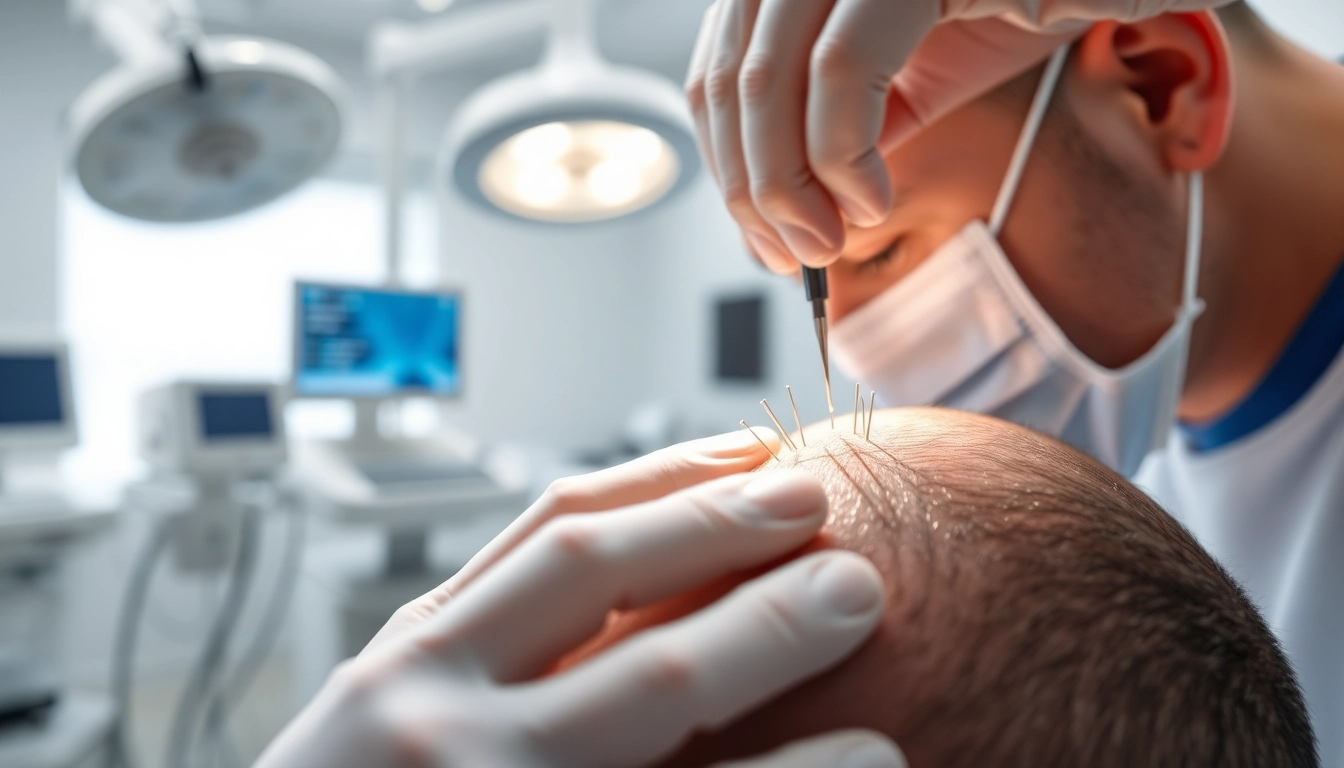
Understanding the Hair Transplant Process
What Is a Hair Transplant?
A hair transplant is a surgical procedure that involves moving hair follicles from one part of the body, often referred to as the donor site, to a bald or thinning area of the scalp. This technique is primarily utilized to treat male and female pattern baldness, and it is regarded as one of the most effective long-term solutions for various types of hair loss. The goal is to restore a natural look and provide lasting results. Many individuals turn to professional clinics for hair transplant procedures to enhance their appearance and self-esteem.
The Different Types of Hair Transplant Techniques
There are several techniques available for hair transplantation, each with its unique approach and benefits. The most prevalent methods include:
- Follicular Unit Extraction (FUE): This method involves extracting individual hair follicles from the donor site using a specialized tool. It minimizes scarring and promotes faster recovery.
- Follicular Unit Transplantation (FUT): Also known as strip surgery, this technique removes a strip of scalp from the donor area, which is then dissected into individual grafts. While it may leave a linear scar, it can yield a higher number of grafts in a single session.
- Direct Hair Implantation (DHI): This is an advanced technique where hair follicles are implanted without the need for prior canals or incisions. It allows for a quicker recovery and less trauma to the scalp.
- Robotic Hair Transplantation: Utilizing advanced robotic systems, this technique offers precision in follicle extraction and placement. It combines technology with the expertise of a skilled surgeon.
How Hair Transplant Surgery Works
The hair transplant process begins with a consultation, where a qualified surgeon assesses the patient's hair loss and discusses expectations. Once a suitable method is chosen, the surgery itself is performed under local anesthesia to ensure minimal discomfort.
During the operation, the surgeon extracts hair follicles from the designated donor area. The follicles are then meticulously placed in the thinning or balding regions of the scalp. This procedure can take several hours, depending on the number of grafts required. After the surgery, patients receive detailed aftercare instructions to promote healing and optimize results.
Benefits of Hair Transplant
Permanent Solution to Hair Loss
One of the primary advantages of hair transplant surgery is its permanence. Unlike topical treatments or pills that require ongoing use, hair transplants provide a lasting solution by redistributing existing hair follicles. Once the follicles are transplanted, they typically continue to grow hair in their new location, resulting in a natural-looking head of hair.
Improved Confidence and Self-Esteem
Many individuals who experience hair loss face declining self-esteem and reduced confidence. A successful hair transplant can significantly improve the appearance of the hairline and fullness of the hair, leading to heightened confidence levels. Patients often report feeling more attractive and assured in personal and professional settings following the procedure.
Natural-Looking Results
Modern hair transplant techniques have evolved to the point where the results are virtually indistinguishable from natural hair growth. Skilled surgeons take into account the patient's hair type, direction, and overall aesthetics when planning the procedure, ensuring that the new hairline looks realistic and harmonious with facial features.
Preparing for Your Hair Transplant
Consultation and Assessment
The initial step in preparing for a hair transplant is a comprehensive consultation with a qualified surgeon. During this assessment, the surgeon reviews medical history, evaluates the extent of hair loss, and discusses treatment options. This stage is vital for setting realistic expectations and addressing any concerns the patient may have.
Pre-Surgery Guidelines
Prior to the surgery, patients may receive specific guidelines to follow, which can include:
- Avoiding blood-thinning medications and supplements such as aspirin or vitamin E.
- Stopping smoking and drinking alcohol to improve blood flow and healing.
- Minding diet and hydration to ensure optimal health before the procedure.
- Arranging transportation to and from the surgical facility, as the patient may be sedated.
Understanding Costs and Financing Options
The cost of a hair transplant can vary widely based on factors such as the technique used, the extent of hair loss, and the geographic location of the clinic. Generally, prices range from $4,000 to $15,000. Many clinics offer financing options or payment plans to make the procedure more accessible. It’s important for patients to weigh these costs against the longevity and effectiveness of the results.
Recovery After Hair Transplant
Post-Procedure Care and Instructions
After undergoing a hair transplant, patients need to follow specific post-operative guidelines for optimal recovery. These may include:
- Keeping the scalp clean and avoiding direct sunlight for the first few weeks.
- Avoiding strenuous activities and heavy lifting to minimize swelling.
- Using prescribed medications to manage pain and prevent infection.
Expected Recovery Timeline
The recovery timeline varies by individual, but most patients experience mild swelling and discomfort for a few days. Many can return to their normal activities within a week, although complete healing may take several months. It's crucial to be patient, as the transplanted hair will initially fall out before new growth begins.
When to See Results
Typically, patients will start to notice new hair growth within three to six months post-surgery. However, full results can take up to a year to manifest. It's essential to remember that everyone's hair growth rate is different, so results can vary widely.
Common Questions About Hair Transplant
How Painful Is a Hair Transplant?
The procedure usually doesn't hurt due to local anesthesia. While patients may feel slight discomfort or pressure during the surgery, postoperative pain is generally manageable with over-the-counter medications.
What Is the Success Rate of Hair Transplant?
Success rates for hair transplants are typically over 90%. Most patients achieve satisfactory results, but factors like the skill of the surgeon, hair type, and follow-up care play crucial roles.
Are There Any Side Effects?
Common side effects include temporary swelling, discomfort, and scabbing. While rare, complications can occur, including infection or poor growth. Adhering to aftercare instructions reduces risks significantly.
What Is the Hair Transplant Recovery Process Like?
The recovery process usually involves a few days of mild discomfort. Most patients can resume normal activities within a week, with full results typically visible within six months to a year.
Can Women Get Hair Transplants?
Yes, women can benefit from hair transplant procedures, especially for types of hair loss such as androgenetic alopecia. Results can be very successful, restoring volume and confidence.
Frequently Asked Questions
How long does a hair transplant last?
Hair transplant results can last a lifetime, assuming the transplanted follicles are healthy. Regular maintenance may be needed for surrounding natural hair.
Will I need more than one session?
Some patients may require multiple sessions to achieve their desired density. This depends on the extent of hair loss and personal goals.
Does insurance cover hair transplants?
Most insurance plans do not cover hair transplants as they are often considered cosmetic procedures. It's best to consult your insurance provider.
Can I dye my hair after a transplant?
It's advisable to wait at least four to six weeks before dyeing hair to avoid irritating the scalp. Always follow your surgeon's recommendations.
What if I have a scar from my previous hair transplant?
Scar camouflage techniques exist that can help blend old scars. Additionally, options like FUE may minimize visible scarring in future procedures.