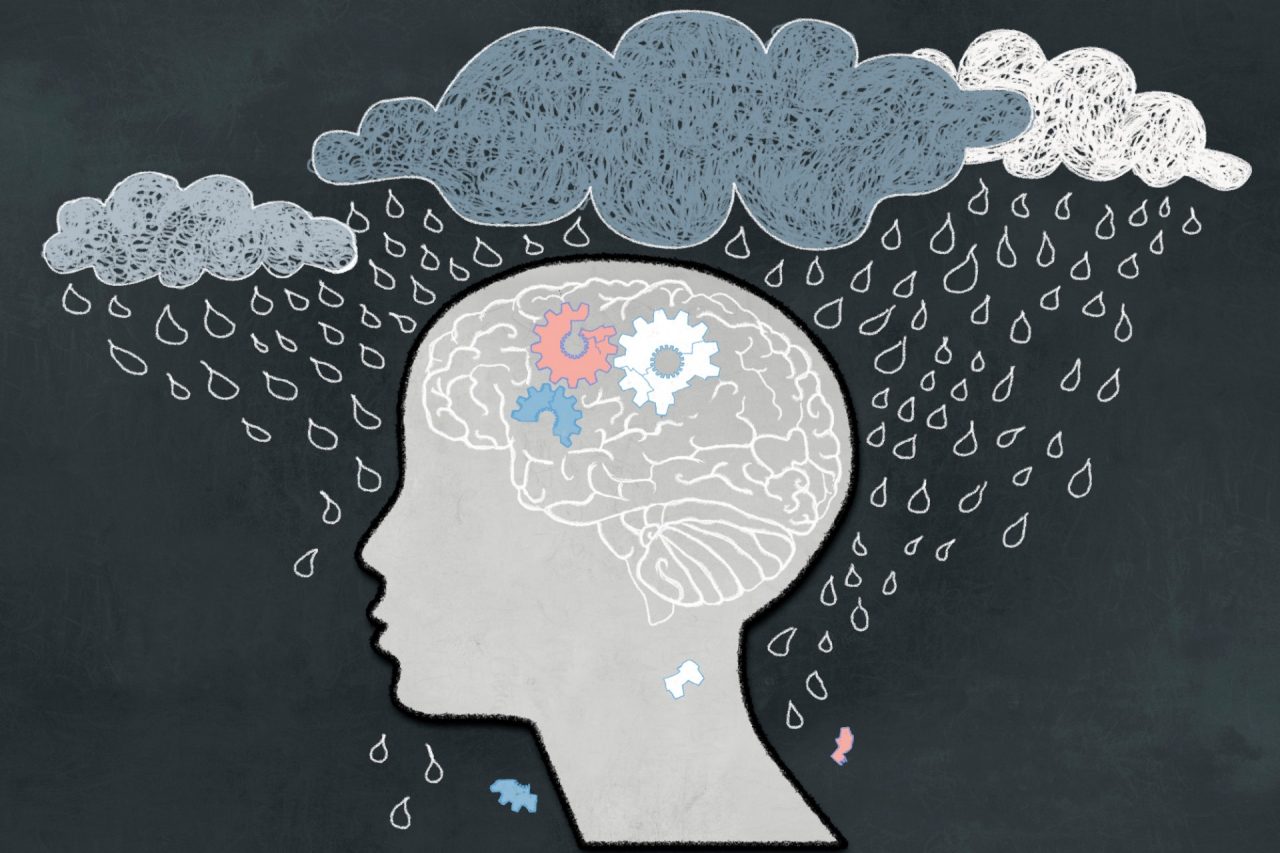
Understanding Depression symptoms and their impact on daily life is crucial for recognizing the condition early and seeking effective intervention. Depression is a complex mental health disorder that affects mood, cognition, behavior, and physical health. When left untreated, it can significantly impair everyday functioning, including work, personal relationships, self-care, and overall quality of life. By learning how depression manifests and interferes with daily routines, individuals can take proactive steps toward recovery, improve coping strategies, and access appropriate support.
Understanding Depression
Depression is more than temporary sadness or emotional stress. It is a mood disorder characterized by persistent low mood, loss of interest, and diminished capacity to function. Depression affects how individuals think, feel, and behave, often leading to long-term consequences if not addressed.
Causes of Depression
Depression arises from a combination of biological, psychological, and environmental factors:
- Genetic predisposition: A family history of depression increases susceptibility.
- Neurochemical imbalances: Altered serotonin, dopamine, and norepinephrine levels impact mood regulation.
- Chronic stress: Work, relationship, or financial stressors can trigger or worsen depressive symptoms.
- Trauma: Past emotional trauma or significant life events increase vulnerability.
- Medical conditions: Chronic illness, hormonal changes, or neurological disorders may contribute.
- Substance misuse: Alcohol or drugs can exacerbate depression.
Recognizing these contributing factors helps understand why depression affects daily life differently for each individual.
Types of Depression
Different forms of depression influence daily functioning in unique ways:
- Major depressive disorder (MDD): Severe and persistent depressive symptoms with major disruption in daily life.
- Persistent depressive disorder (dysthymia): Chronic, mild depression lasting at least two years, subtly impacting routines.
- Seasonal affective disorder (SAD): Depression occurring seasonally, typically in winter, affecting energy and social participation.
- Postpartum depression: Depression following childbirth, affecting emotional health and parenting routines.
- Situational depression: Triggered by specific life events, such as loss, trauma, or stress.
Emotional Impact on Daily Life
Emotional symptoms of depression profoundly affect everyday experiences, influencing how individuals respond to situations and interact with others.
Persistent Low Mood
A persistent low mood can make everyday activities feel overwhelming. Simple tasks, like getting out of bed, attending work, or socializing, may seem unmanageable.
Irritability and Emotional Reactivity
Depression often causes heightened irritability, which can strain relationships at home, work, or in social settings. Emotional reactivity may lead to conflicts and social withdrawal.
Loss of Interest or Pleasure
Anhedonia, the inability to enjoy activities, affects hobbies, work, and social engagement. Individuals may disengage from personal interests, reducing overall life satisfaction.
Feelings of Guilt and Worthlessness
Adults with depression often experience excessive guilt and low self-esteem. Negative self-perception can lead to avoidance of responsibilities, reluctance to seek help, and social isolation.
Anxiety and Emotional Distress
Many individuals experience co-occurring anxiety, increasing emotional strain and complicating daily interactions. Worry and tension can further reduce engagement with daily responsibilities.
Physical Impact on Daily Life
Depression manifests physically, affecting energy levels, motivation, and the ability to maintain routines.
Fatigue and Low Energy
Persistent fatigue can make performing basic tasks challenging, reducing productivity at work and in personal life. Even minor chores may feel exhausting.
Sleep Disturbances
Insomnia, hypersomnia, or disrupted sleep patterns negatively affect energy, mood, and cognitive function. Poor sleep contributes to difficulty concentrating, irritability, and diminished daily functioning.
Appetite and Weight Changes
Changes in appetite, including overeating or loss of interest in food, affect nutrition and energy levels. Weight fluctuations can impact physical health and self-image.
Somatic Complaints
Depression can cause unexplained physical pain, such as headaches, back pain, or digestive issues. These symptoms often interfere with daily responsibilities and may mask underlying depression.
Cognitive Impact on Daily Life
Depression affects thinking, memory, and decision-making, which directly influences daily functioning.
Difficulty Concentrating
Tasks requiring focus or sustained attention may become difficult. Adults may struggle to complete work assignments, manage household duties, or follow through with plans.
Negative Thought Patterns
Persistent negative thoughts, rumination, and pessimism impair problem-solving and decision-making. This cognitive burden can affect professional and personal choices.
Indecisiveness
Depression often makes even small decisions overwhelming, contributing to procrastination and reduced engagement in daily responsibilities.
Memory Impairments
Short-term memory challenges, such as forgetting appointments or deadlines, can disrupt routines and reduce overall efficiency.
Behavioral Impact on Daily Life
Behavioral changes are often the most observable indicators of depression affecting daily functioning.
Social Withdrawal
Individuals may avoid social interactions, neglect relationships, and disengage from community or work activities. Isolation reinforces depressive symptoms and limits access to support.
Reduced Productivity and Motivation
Depression decreases motivation, leading to procrastination, missed deadlines, and neglected responsibilities. Daily tasks at work, home, or school may be compromised.
Risky or Impulsive Behaviors
Substance misuse, reckless driving, or impulsive actions may occur as coping mechanisms, further disrupting daily routines and contributing to negative outcomes.
Neglect of Daily Routines
Depression can interfere with hygiene, nutrition, and sleep routines. Neglecting these areas further impacts physical health and overall well-being.

Depression Symptoms and Work Life
Depression can significantly affect professional life, including performance, attendance, and relationships with colleagues.
Decreased Productivity
Fatigue, difficulty concentrating, and lack of motivation reduce efficiency and output. Employees may struggle to meet deadlines or maintain quality work.
Interpersonal Challenges
Irritability, withdrawal, or emotional volatility can strain relationships with coworkers and supervisors, leading to conflict or social isolation.
Absenteeism and Presenteeism
Depression may cause frequent absenteeism or presenteeism—being physically present at work but functioning below capacity. Both can impact career progression and job satisfaction.
Career Development
Long-term untreated depression can hinder professional growth, limit opportunities, and reduce overall job satisfaction.
Depression Symptoms and Personal Relationships
Depression affects relationships with family, friends, and romantic partners.
Social Withdrawal
Avoiding social interactions reduces connection with loved ones and can lead to misunderstandings or emotional distance.
Communication Challenges
Difficulty expressing emotions, irritability, and negative thinking patterns can lead to conflicts and strained relationships.
Impact on Parenting
Depression may interfere with parenting responsibilities, affecting attention, engagement, and emotional availability for children.
Emotional Dependence
Some individuals may rely heavily on close family members or partners for emotional support, creating stress in relationships.
Strategies for Managing Daily Life with Depression
While professional treatment is essential, coping strategies can improve daily functioning and overall quality of life.
Professional Treatment
- Therapy: Cognitive-behavioral therapy (CBT), interpersonal therapy (IPT), and other approaches address mood, cognition, and behavior.
- Medication: Antidepressants help regulate neurochemical imbalances.
- Support groups: Peer support provides validation, practical advice, and social connection.
Self-Care Practices
- Maintain consistent sleep and wake schedules
- Engage in regular physical activity
- Eat a balanced and nutritious diet
- Practice mindfulness, meditation, or relaxation exercises
- Schedule enjoyable activities to counteract anhedonia
Building a Support Network
Family, friends, and peers provide emotional support, practical assistance, and motivation. Open communication fosters understanding and reduces isolation.
Planning and Routine
- Break tasks into manageable steps
- Set realistic daily goals
- Prioritize essential activities
- Use planners, reminders, or digital tools to maintain routines
Stress Management
- Practice deep breathing, yoga, or meditation
- Identify stress triggers and develop coping strategies
- Allocate time for relaxation and self-care
Reducing Stigma and Promoting Awareness
Awareness and education reduce stigma and encourage individuals to seek help. Communities, workplaces, and families can foster supportive environments by:
- Providing mental health education and resources
- Encouraging open discussions about mental health
- Offering access to therapy, wellness programs, and support groups
- Promoting empathy and understanding for those affected
Conclusion
Depression symptoms profoundly impact daily life, affecting emotional, cognitive, behavioral, and physical functioning. Recognizing these symptoms, understanding their consequences, and seeking timely intervention are essential for improving daily functioning and overall quality of life. Combining professional treatment, self-care, social support, and lifestyle adjustments enables individuals to manage depression effectively, regain control over routines, and foster emotional well-being. Awareness, empathy, and proactive engagement are key to supporting those living with depression and creating a stigma-free environment. Our homepage brings all our top categories together for you.
FAQs
How do depression symptoms affect daily life?
Depression can reduce energy, motivation, and concentration, interfere with routines, impair social and professional relationships, and diminish overall life satisfaction.
What strategies can help manage daily life while experiencing depression?
Professional treatment, self-care routines, stress management, supportive social networks, and structured daily planning can improve functioning and quality of life.
When should someone seek help for depression affecting daily life?
Seek help if symptoms persist for more than two weeks, interfere with work or personal life, or include thoughts of self-harm. Early intervention improves outcomes and prevents long-term consequences.