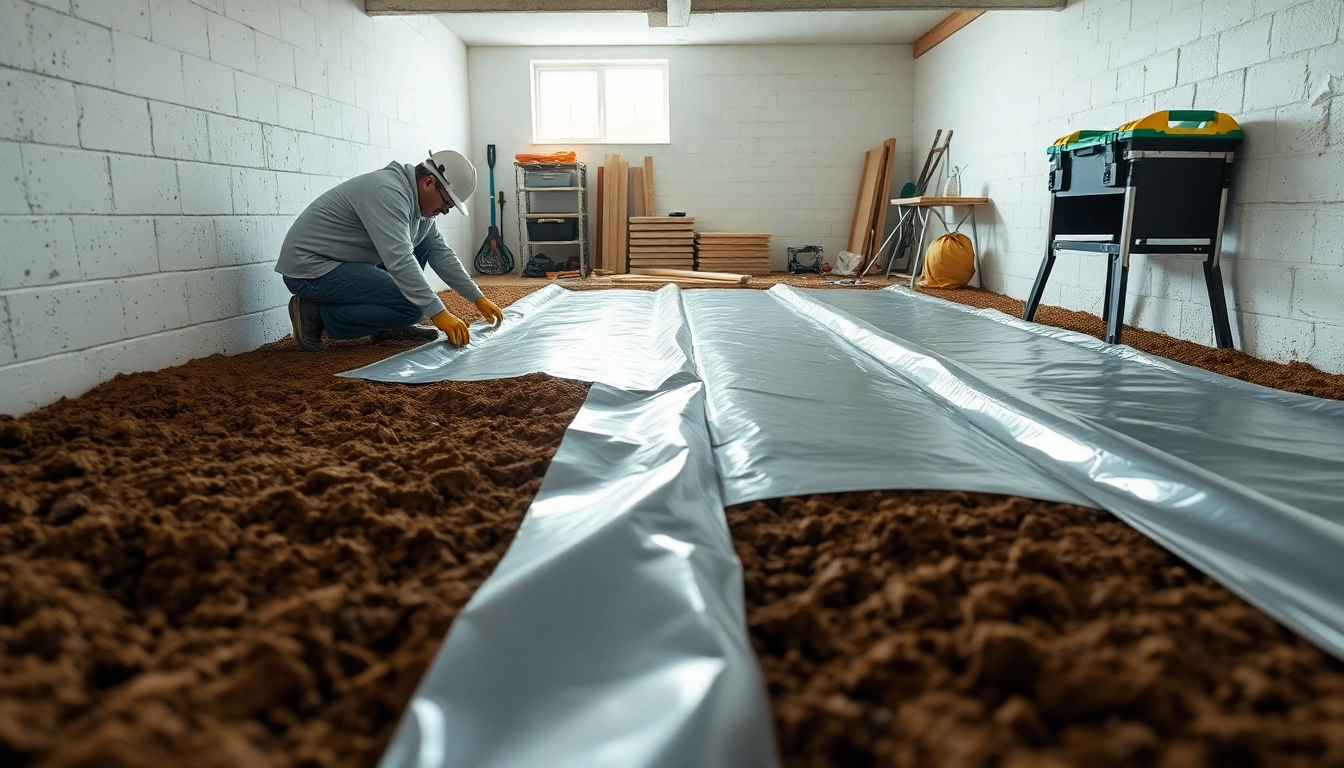
Understanding Vapor Barrier Installation
What is a Vapor Barrier?
A vapor barrier is a material designed to prevent moisture from permeating through walls, floors, or ceilings. Typically made of polyethylene plastic sheets or similar products, vapor barriers are installed in areas susceptible to humidity, like crawl spaces and basements. Their primary function is to control moisture levels and protect the structural integrity of buildings. By hindering moisture ingress, they help prevent damage from mold, rot, and pests.
Importance of Vapor Barrier Installation
The installation of vapor barriers is critical for maintaining a dry and healthy environment within your home. High moisture levels can lead to various issues, including structural deterioration and health risks related to mold and mildew. With effective Vapor Barrier Installation, homeowners can significantly reduce the risk of these problems, ensuring a safe space for their family and prolonging the lifespan of their property.
Common Myths About Vapor Barriers
There are several myths surrounding vapor barriers that can mislead homeowners. One common misconception is that they eliminate all moisture problems; while they do help mitigate moisture issues, they are not a complete solution. Another myth is that vapor barriers are only necessary in humid climates, when in fact, they can be beneficial in various environments. Understanding the realities of vapor barriers is essential for effective moisture control.
Preparing for Vapor Barrier Installation
Assessing Your Crawl Space
Before installing a vapor barrier, it’s crucial to assess your crawl space. Look for visible signs of moisture, such as damp insulation or water stains. Check for proper drainage systems and consider the overall layout of pipes and HVAC systems. Understanding the unique conditions of your crawl space will help you make informed decisions about the installation process.
Tools Needed for Vapor Barrier Installation
Gathering the right tools is essential for a successful vapor barrier installation. You will typically need:
- Measuring tape
- Utility knife for cutting the barrier material
- Tape measure
- Sealing tape to secure seams
- Heavy-duty stakes or nails
- A staple gun
- Safety gear (gloves and mask)
Choosing the Right Vapor Barrier Material
The choice of material can significantly impact the effectiveness of your vapor barrier. Common options include polyethylene sheeting, which comes in various thicknesses. For crawl spaces, a minimum thickness of 6 mil is recommended, while 10 mil to 20 mil is preferred for extra durability. Look for barriers with puncture resistance and UV inhibitors if exposed to sunlight.
Step-by-Step Guide to Vapor Barrier Installation
Preparing the Surface
Before laying down the vapor barrier, clean the crawl space thoroughly. Remove debris, sharp objects, and any standing water. This preparation ensures that the barrier can be installed without damage. If there are irregularities in the soil surface, consider leveling it out to create a uniform installation surface.
Installing the Vapor Barrier
Once the surface is prepped, lay the vapor barrier across the ground, making sure to overlap edges by at least 12 inches. For vertical installations, extend the barrier up the walls a minimum of 6 inches. Use the stakes or nails to secure the barrier in place if necessary. For a more durable installation, consider using a capillary break to prevent moisture from creeping up from the soil.
Sealing and Maintaining the Barrier
After installation, it is crucial to seal all seams and edges thoroughly using the sealing tape. This prevents moisture from seeping through the joints. Regular maintenance checks are vital; inspect the barrier periodically for tears, punctures, or signs of moisture infiltration. Address any issues promptly to maintain the integrity of your vapor barrier.
Common Issues and Solutions
Identifying Moisture Problems
Assessing moisture levels can be challenging. Look for indicators such as condensation on surfaces, musty odors, or mold growth. Investing in a hygrometer can help measure humidity levels accurately. If excessive moisture is detected, consider additional moisture control techniques, such as improving ventilation or investing in a dehumidifier.
Addressing Installation Mistakes
Improper installation of vapor barriers can lead to significant issues. Common mistakes include inadequate sealing, incorrect overlap, and overlooking damaged areas. If mistakes are identified, carefully remove the affected sections and reinstall the barrier, ensuring that all instructions are followed accurately.
When to Call a Professional for Vapor Barrier Installation
If your crawl space shows extensive damage, or if you’re unsure about the proper installation process, it may be wise to call in a professional. Experts can diagnose underlying moisture issues, recommend additional solutions, and ensure that the vapor barrier is installed correctly to protect your property.
FAQs About Vapor Barrier Installation
How long does a vapor barrier last?
Typically, a vapor barrier can last between 5 to 10 years, depending on the conditions of the environment and the quality of the installation. Regular maintenance can extend its lifespan.
Can I install a vapor barrier myself?
Yes, many homeowners can successfully install a vapor barrier with the right tools and knowledge. However, professional assistance is advisable for complex situations.
What's the best thickness for a vapor barrier?
A thickness of at least 6 mil is recommended for residential use, but 10 to 20 mil is optimal for high-traffic areas or severe moisture conditions.
Do I need to seal the seams?
Yes, sealing all seams is essential. Well-sealed seams prevent moisture from penetrating through gaps, which can undermine the barrier's effectiveness.
How does a vapor barrier help with moisture control?
The vapor barrier acts as a shield against moisture ingress, significantly reducing humidity levels in crawl spaces and preventing the development of mold and mildew.