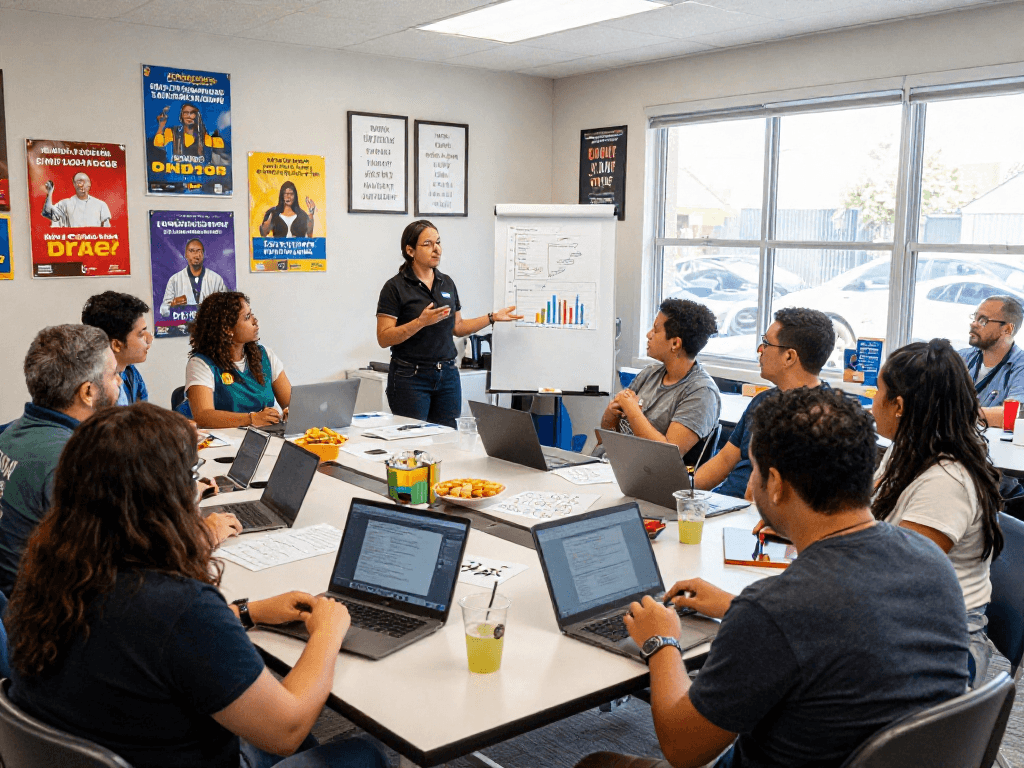
Understanding Political Media Buying Commission
In the competitive arena of political campaigns, the significance of a well-executed media buying strategy cannot be overstated. While many may overlook the intricacies of political media buying, it is the cornerstone of effective voter engagement and outreach. With the evolving landscape of communication, understanding the political media buying commission becomes crucial for any candidate or campaign manager aiming to amplify their message and secure electoral success.
What is Political Media Buying Commission?
Political media buying commission refers to the fees charged by agencies or individuals who purchase advertising space on behalf of political candidates. These commissions are an essential component of budget planning for political campaigns, as they determine how effectively a candidate can place ads across various media platforms, including television, radio, print, and digital spaces. Commissions can vary significantly based on a multitude of factors, including the scope of the campaign, the platforms used, and geographical targeting.
The Importance of Data in Political Campaigns
Data is the lifeblood of any political campaign. It serves as the foundation upon which strategies are built and messages are tailored. By utilizing comprehensive voter data, campaigns can segment their audiences effectively, ensuring that each message reaches the right voters at the right time. Understanding voter demographics, preferences, and behaviors is crucial in crafting a message that resonates. In today's political landscape, a data-driven approach can make the difference between winning and losing an election.
Steps to Implement Political Media Buying Strategy
Gathering Comprehensive Voter Data
The first step in any effective media buying strategy is the collection of thorough voter data. This includes not only basic information such as names and addresses but also additional insights such as voting history, party affiliation, and demographic details. Campaigns can acquire this data from various sources, including public voter registration databases and targeted surveys. Ensuring that this data is current and accurate is vital for the success of targeted advertising efforts.
Creating Targeted Advertising Campaigns
Once comprehensive voter data has been gathered, the next step is to design targeted advertising campaigns. This involves crafting messages that resonate with specific segments of the electorate. For example, younger voters may respond better to advertisements emphasizing climate change, whereas older voters may prioritize healthcare issues. Utilizing data analytics tools can help campaigns refine their messaging and select the appropriate channels for distribution, whether it be social media platforms, traditional media, or direct mail.
Budgeting for Effective Media Buying
Effective budgeting is crucial in political media buying. Campaigns must allocate funds not only for ad purchases but also for creative development, data acquisition, and media placement. Understanding the price structure associated with different media channels is essential. Transparent pricing can help campaigns avoid unexpected costs and ensure they get the most value from their investments.
Challenges in Political Media Buying
Common Pitfalls and Misconceptions
Despite the potential benefits, there are several common pitfalls associated with political media buying. One major misconception is that larger budgets always lead to better outcomes. While money is an important factor, the effectiveness of a campaign often hinges on the strategy and execution rather than the sheer volume of spending. Poor targeting can lead to wasteful spending, making it essential for campaigns to focus on efficiency and effectiveness in their media buys.
Navigating Compliance and FEC Regulations
Another significant challenge in political media buying is adhering to compliance and Federal Election Commission (FEC) regulations. Campaigns must ensure that all advertisements are compliant with federal and state laws, including proper reporting of expenditures and transparent invoicing. Understanding these regulations can save campaigns from legal issues that may derail their strategies.
Overcoming Competition in Political Campaigns
As campaigns become increasingly competitive, standing out in a crowded field can be daunting. Candidates must not only invest in media buying but also develop innovative tactics that cut through the noise. This may include grassroots efforts, leveraging social media influencers, and using cutting-edge technologies like artificial intelligence for targeted messaging.
Best Practices for Successful Political Media Buying
Innovative Techniques for Voter Engagement
Engaging voters requires creativity and a deep understanding of the electorate. Techniques such as interactive advertisements, personalized messaging, and community outreach can create connections with voters. Campaigns should explore emerging platforms and technologies that can provide unique ways to engage potential constituents.
Utilizing Analytics for Campaign Optimization
Analytics play a critical role in evaluating the success of media buying initiatives. By analyzing engagement metrics, campaigns can identify which advertisements are performing well and which are falling flat. This data-driven approach allows for real-time adjustments and optimizations, ensuring that resources are used effectively throughout the campaign cycle.
Case Studies: Successful Campaigns and Their Strategies
Examining case studies of successful political campaigns can offer valuable insights into effective media buying strategies. For instance, the use of targeted digital ads in the 2020 election cycle demonstrated how data-driven strategies could significantly mobilize voters. Understanding what worked in past campaigns can help inform future media buying decisions.
Future Trends in Political Media Buying
Predictions for 2026 and Beyond
Looking ahead to 2026, several predictions can be made about the future of political media buying. As technology continues to evolve, campaigns will likely see increased reliance on data analytics and machine learning to refine targeting practices. Additionally, the growing influence of social media will further shift where and how campaigns allocate their advertising budgets.
The Role of Technology in Political Campaigns
Technology will undoubtedly play a pivotal role in shaping the landscape of political media buying. Tools for data analysis, social media engagement, and digital advertising will continue to advance, providing campaigns with more sophisticated ways to connect with voters. Innovations such as augmented reality advertisements may also become more prevalent, offering immersive experiences for voters.
Adapting to Changing Voter Behavior
As voter behavior continues to evolve, campaigns must be agile in adapting their strategies. Understanding shifts in demographics, values, and communication preferences is critical for designing effective media buying strategies. Campaigns that stay ahead of these trends will be better positioned to resonate with voters and secure electoral success.
What Are the Advantages of In-House Political Campaign Management?
Managing campaigns in-house offers several advantages, including greater control over messaging, quicker decision-making, and the ability to cultivate a cohesive brand strategy. This approach enables campaigns to be more responsive to changes in voter sentiment and to adapt their media buying strategies on the fly, ensuring that they remain relevant and impactful.
How Can a Strong Online Presence Impact Political Media Buying?
A robust online presence is indispensable in today's political landscape. Candidates who effectively utilize social media and digital platforms can enhance their visibility and engagement with voters. By establishing a strong digital footprint, campaigns can amplify their media buying efforts, ensuring that their messages reach broader audiences and resonate with key demographics.