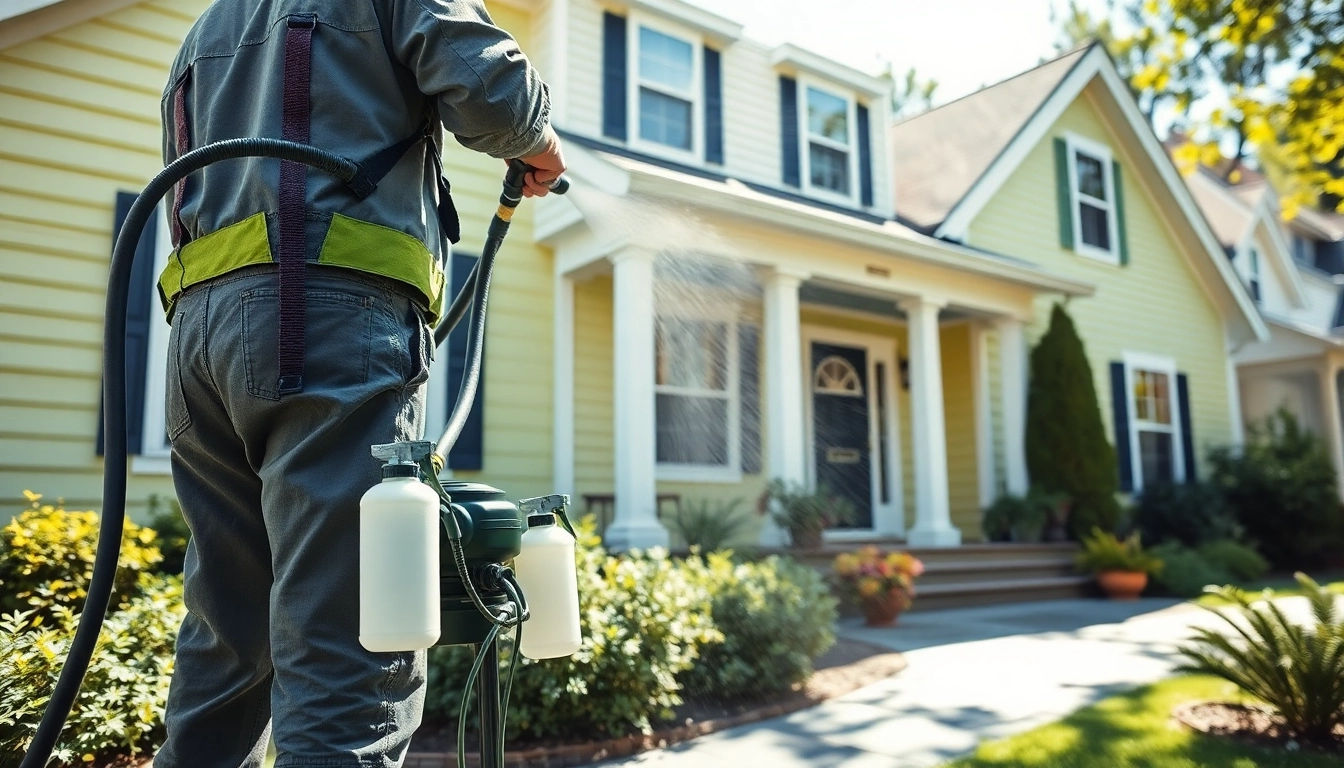
Understanding the Soft Wash Method
In today's world of exterior cleaning, maintaining the appearance and longevity of your property is crucial. This is especially true in regions like Kissimmee, FL, where the humid subtropical climate can lead to mold, algae, and grime buildup. One effective method gaining popularity for cleaning homes and commercial properties is soft wash. It offers a gentler yet highly efficient approach compared to traditional pressure washing, making it an excellent choice for various surfaces.
What is Soft Washing?
Soft washing is a cleaning method that uses low-pressure water combined with specialized biodegradable cleaning solutions. Unlike pressure washing, which employs high-pressure streams of water to mechanically remove dirt and grime, soft washing relies on chemical action to break down stains and contaminants. This method is particularly effective on delicate surfaces such as roofs, siding, and windows, where high pressure could cause damage.
How Soft Washing Differs from Pressure Washing
The primary difference between soft washing and pressure washing lies in the pressure levels used during cleaning. While pressure washing can reach upwards of 3000 psi, soft washing typically operates at around 100-150 psi. This lower pressure minimizes the risk of damage to surfaces, making it suitable for cleaning:
- Roof shingles
- Vinyl siding
- Wood decks
- Windows
The cleaning solutions used in soft washing not only help in removing dirt and stains but also disinfect surfaces, killing bacteria, mold, and algae at their roots. This ensures a longer-lasting clean that enhances the property's curb appeal while protecting against future growth.
Benefits of Using Soft Wash Techniques
Employing soft wash techniques comes with numerous advantages:
- Safety: The low-pressure approach greatly reduces the likelihood of damaging roofs, siding, and other surfaces.
- Effectiveness: Soft washing kills bacteria and mold at the source, providing a more thorough clean.
- Eco-Friendly: The biodegradable cleaning agents used in soft washing are generally safe for the environment, making it a sustainable option.
- Cost-Effective: By preventing the regrowth of mold and algae, soft washing can extend the lifespan of your surfaces, saving you money in the long term.
Essential Equipment for Effective Soft Washing
To execute soft washing effectively, certain tools and equipment are necessary. Understanding the components of a soft washing system will help ensure that homeowners and cleaning professionals alike can achieve the best results.
Understanding Soft Wash Systems
A soft wash system typically consists of a few critical components:
- Low-Pressure Pump: This is essential for maintaining the lower psi required for effective soft washing.
- Chemical Tank: Holds the biodegradable cleaning solution that will be applied to the surfaces.
- Delivery Hoses: Special hoses designed to withstand the specific chemicals used in soft washing.
- Specialized Nozzles: These allow for the application of a wide spray pattern, ensuring even coverage without damaging surfaces.
Key Tools and Accessories for Professionals
In addition to the soft wash system itself, there are various tools that can enhance the efficiency of the cleaning process:
- Surface Cleaners: These attachments allow for quicker and more uniform cleaning of flat surfaces like driveways and patios.
- Ladders and Safety Gear: Essential for reaching high areas safely, especially when cleaning roofs and second-story siding.
- Protective Gear: Gloves, masks, and eyewear to protect the operator from cleaning chemicals.
Maintaining Your Soft Wash Setup
Regular maintenance of your soft wash system will ensure it remains effective. Key maintenance tips include:
- Regularly checking hoses and connections for leaks.
- Flushing the system with water after use to prevent chemical buildup.
- Storing chemicals properly to avoid degradation or contamination.
Step-by-Step Guide to Soft Washing Your Home
For homeowners interested in performing soft washing themselves, it’s important to follow a methodical approach to ensure safety and effectiveness. Below is a comprehensive guide to soft washing your home.
Preparing for Your Soft Wash Project
Before beginning your soft washing project, ensure you have all necessary equipment and safety gear. Always check the weather conditions; overcast days are ideal as they prevent the cleaning solution from drying too quickly. It’s also crucial to cover or remove any outdoor furniture or plants that you don't want to get wet or damaged.
Applying Cleaning Solutions Safely
Once prepared, follow these steps for applying cleaning solutions:
- Mix your biodegradable cleaning solution according to the manufacturer's instructions.
- Attach the appropriate nozzle to your soft wash system.
- Starting from the top of the area you are cleaning, begin applying the solution in a sweeping motion, ensuring even coverage.
- Let the solution sit for the recommended time to maximize effectiveness, usually around 10-15 minutes.
- Rinse thoroughly with low-pressure water, ensuring all residues are washed away.
Post-Wash Inspection and Maintenance Tips
After the soft washing is complete, conduct a thorough inspection of the cleaned areas. Check for any missed spots or areas that may need a second application. Additionally, rinsing down any surrounding plants or landscaping will help protect them from chemical exposure. It's also advisable to wait a few days before performing any additional maintenance or painting to allow surfaces to fully dry.
Common Challenges in Soft Washing
While soft washing is effective, there are challenges that you might encounter. Understanding these can help you prepare better and manage expectations.
Dealing with Stubborn Stains and Grime
Some stains, especially those caused by mold or rust, can be particularly stubborn. In such cases, a stronger solution or repeated applications may be necessary. However, always ensure that any chemicals used are safe for the surfaces you are cleaning.
Addressing Customer Concerns and Misconceptions
Many customers may have misconceptions about soft washing, including fears that it won't be as effective as pressure washing. Educating clients on the benefits and effectiveness of soft washing will help alleviate these concerns. Demonstrating before-and-after photos or even offering trials can help improve trust and client satisfaction.
Regulatory Considerations for Eco-Friendly Practices
As the demand for eco-friendly cleaning solutions increases, it's essential to stay informed about local regulations regarding chemical use and waste disposal. Always ensure that the products you use comply with local environmental standards to promote sustainable practices.
The Future of Soft Washing in Central Florida
The soft washing industry continues to evolve, and staying ahead of trends can provide a competitive advantage for businesses in the cleaning sector, especially in sunny states like Florida.
Emerging Trends in Home Exterior Cleaning
There is a growing trend towards using eco-friendly and sustainable cleaning practices. As consumers become more conscious of their environmental impact, the demand for biodegradable and non-toxic cleaning agents will rise. Keeping abreast of these trends can help businesses cater to an increasingly environmentally aware clientele.
Innovative Techniques and Eco-Friendly Solutions
As technology evolves, new techniques and equipment are being developed in the soft washing sector. Innovations such as advanced chemical formulations and automated soft wash systems can improve efficiency and effectiveness, allowing for faster service while delivering superior results.
Positioning Your Business for Success in 2025
To thrive in the soft washing market, businesses need to optimize their online presence, educate their staff about the benefits of soft washing, and continually invest in high-quality equipment. Additionally, establishing a referral program can help generate new clients through word-of-mouth and positive customer experiences.