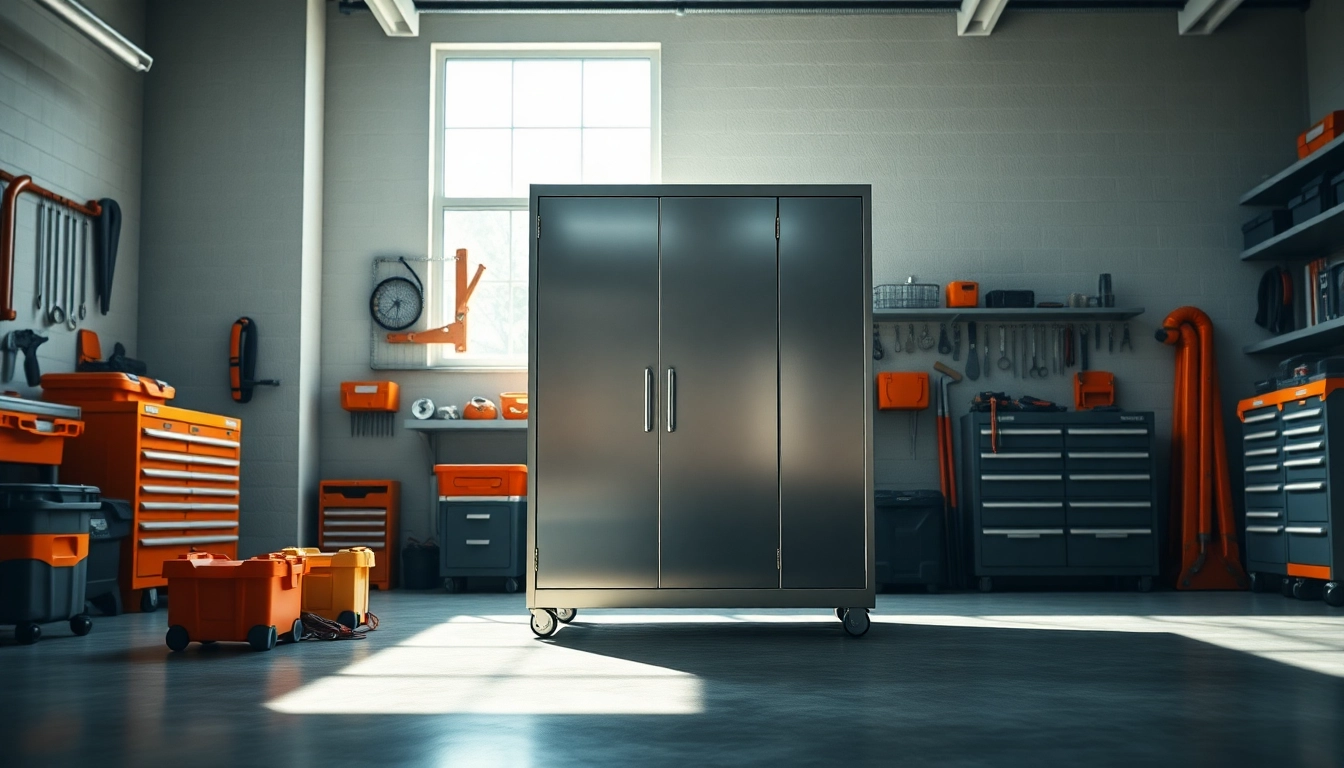
1. Introduction to Steel Cabinets
Steel cabinets have become indispensable in various settings, ranging from industrial environments to contemporary home interiors. Their robust construction and multi-functional nature make them ideal for storage solutions, organization, and even creative design elements. Whether you are looking to maximize your workspace at home or enhance your office organization, investing in a steel cabinet could be one of the most practical decisions you make. This article explores the versatility, types, and practical applications of steel cabinets.
1.1 Purpose and Functionality
The primary purpose of steel cabinets is to provide secure, durable storage for various items—tools, documents, personal belongings, and more. Their functionality extends far beyond mere storage; they can help reduce clutter, organize workspace, enhance security, and provide aesthetic appeal. In many workplaces, steel cabinets act as a significant tool for maintaining inventory control, ensuring that each item is organized and accessible.
1.2 Benefits of Steel Cabinets
Steel cabinets offer a multitude of benefits that make them a superior choice over other materials. Their strength allows them to withstand heavy loads, making them suitable for storing heavy tools and equipment. Additionally, steel cabinets are resistant to fire, pests, and wear, ensuring longevity and protecting your stored items. Moreover, they can be locked for added security. Their sleek design can blend seamlessly into any organizational space, enhancing both functionality and aesthetics.
1.3 Overview of Popular Types
There are several types of steel cabinets available to suit various needs:
- File Cabinets: Designed specifically for document storage, often featuring drawers that accommodate hanging files.
- Storage Cabinets: Versatile options that can house everything from office supplies to electronics.
- Tool Cabinets: Usually found in garages or workshops, these cabinets are designed to organize and secure tools efficiently.
- Lockable Cabinets: Offer heightened security for sensitive or valuable items, ideal for both workplaces and personal use.
2. Choosing the Right Steel Cabinet
When selecting the right steel cabinet, it’s essential to consider various factors. Making an informed choice will ensure that your cabinet meets both your functional and aesthetic needs.
2.1 Assessing Your Needs
Begin by evaluating what you plan to store in the cabinet. Different items require different features such as size, storage type, and security levels. Understanding your requirements will help you narrow down your choices and avoid purchasing an inadequate solution or overspending on unnecessary features.
2.2 Size and Dimensions
The size and dimensions of the steel cabinet must correspond to the intended space and the items you wish to store. Consider not only the cabinet’s total height, width, and depth but also the specific layout of your area. Measure the space meticulously to ensure a perfect fit, keeping in mind factors such as overhead clearance and nearby equipment.
2.3 Aesthetic Considerations
A steel cabinet can be more than just a storage solution; it can also enhance the design of your space. Look for a style and color that complement your current décor. Modern steel cabinets come in various finishes and styles, ranging from minimalist designs to more ornate options, allowing you to select one that aligns with your aesthetic preferences.
3. Organizing with Steel Cabinets
Utilizing steel cabinets effectively can revolutionize your organizational strategies, leading to improved productivity and reduced chaos.
3.1 Best Practices for Organization
Start with categorizing your items based on frequency of use, size, and function. Use shelving, bins, or dividers to maximize space and maintain order. Labeling your items not only improves organization but also increases the efficiency of locating your materials.
3.2 Accessorizing Your Steel Cabinet
Accessorizing your steel cabinet can significantly increase its functionality. Consider adding pull-out trays for smaller items, hooks for tools, and drawer dividers for papers and documents. These accessories can turn a simple cabinet into a highly efficient storage solution tailored to your needs.
3.3 Customization Options
Many manufacturers offer customizable options, allowing you to design a steel cabinet that fits your specifications perfectly. Choices may include colors, drawer types, and shelving configurations. Ensure your cabinet is not just functional but also aligns with your style preferences and organizational needs.
4. Maintenance and Care for Steel Cabinets
To ensure longevity, proper maintenance and care are crucial for your steel cabinets.
4.1 Cleaning Techniques
Regular cleaning helps maintain the aesthetic and functionality of your steel cabinet. Use mild detergents and a damp cloth to remove dust and grime. For tougher stains, a mixture of vinegar and baking soda can work wonders. Always dry with a soft cloth to prevent water marks.
4.2 Preventing Rust and Damage
Rust can be a significant concern for steel cabinets. Ensure they are kept in a dry environment, and apply regular oil treatments to exposed and vulnerable areas. Consider using desiccants to reduce humidity levels where steel cabinets are located.
4.3 Long-term Care Tips
Routine inspections are vital to check for signs of wear or damage. Handle the doors and drawers with care to prevent misalignment over time. For cabinets in high-traffic areas, consider applying furniture polish periodically to maintain their appearance and sheen.
5. Frequently Asked Questions about Steel Cabinets
5.1 What materials are used in steel cabinets?
Steel cabinets are mainly constructed from cold-rolled or galvanized steel, providing strength, durability, and resistance to wear. Some may also feature a layer of powder-coating for an added protective finish.
5.2 How do I secure a steel cabinet?
Securing a steel cabinet can typically be achieved through built-in locks, padlocks, or hasp systems. For added security, install an electronic lock or a combination lock for vital documents and items.
5.3 Can steel cabinets be painted or customized?
Yes, steel cabinets can be painted or customized with wraps and decals. Ensure that the paint used is suitable for metal surfaces to prevent peeling and enhance durability. Customization options are also widely available through manufacturers.