Understanding Bitcoin Mining
Bitcoin mining is a cornerstone of the cryptocurrency world, marking the process through which new bitcoins are generated and transactions are confirmed on the blockchain. As the landscape of bitcoin mining evolves, understanding its intricacies becomes essential for both newcomers and seasoned miners. This guide delves into what bitcoin mining entails, the critical role miners play in maintaining blockchain integrity, and how transactions occur within this decentralized ecosystem.
What is Bitcoin Mining?
At its core, bitcoin mining is the process of validating and recording transactions on the Bitcoin blockchain. It involves solving complex mathematical problems that require substantial computational power. When these problems are solved, miners add a new block to the blockchain and are rewarded with newly generated bitcoins. This not only secures the network but also maintains the orderly flow of transactions.
The Role of Miners in Blockchain Technology
Miners serve as the backbone of the Bitcoin network by ensuring that transactions are accurately recorded. Each transaction is bundled into a block and must be verified against previous blocks in the chain to confirm its authenticity. Once validated, the block is added to the blockchain, making it publicly available for reference. This decentralized approach prevents fraud and enhances the security of transactions.
How Bitcoin Mining Transactions Work
Transactions initiated on the Bitcoin network are broadcast to nodes—computers that maintain a copy of the blockchain. Miners gather these transactions, validate them, and then compete to solve a cryptographic puzzle, known as proof of work. The first miner to solve the puzzle gets to add the block of transactions to the blockchain and receives a reward in the form of bitcoins. This reward is halved approximately every four years in an event known as the "halving," which ensures a controlled supply of bitcoin.
Bitcoin Mining Equipment Essentials
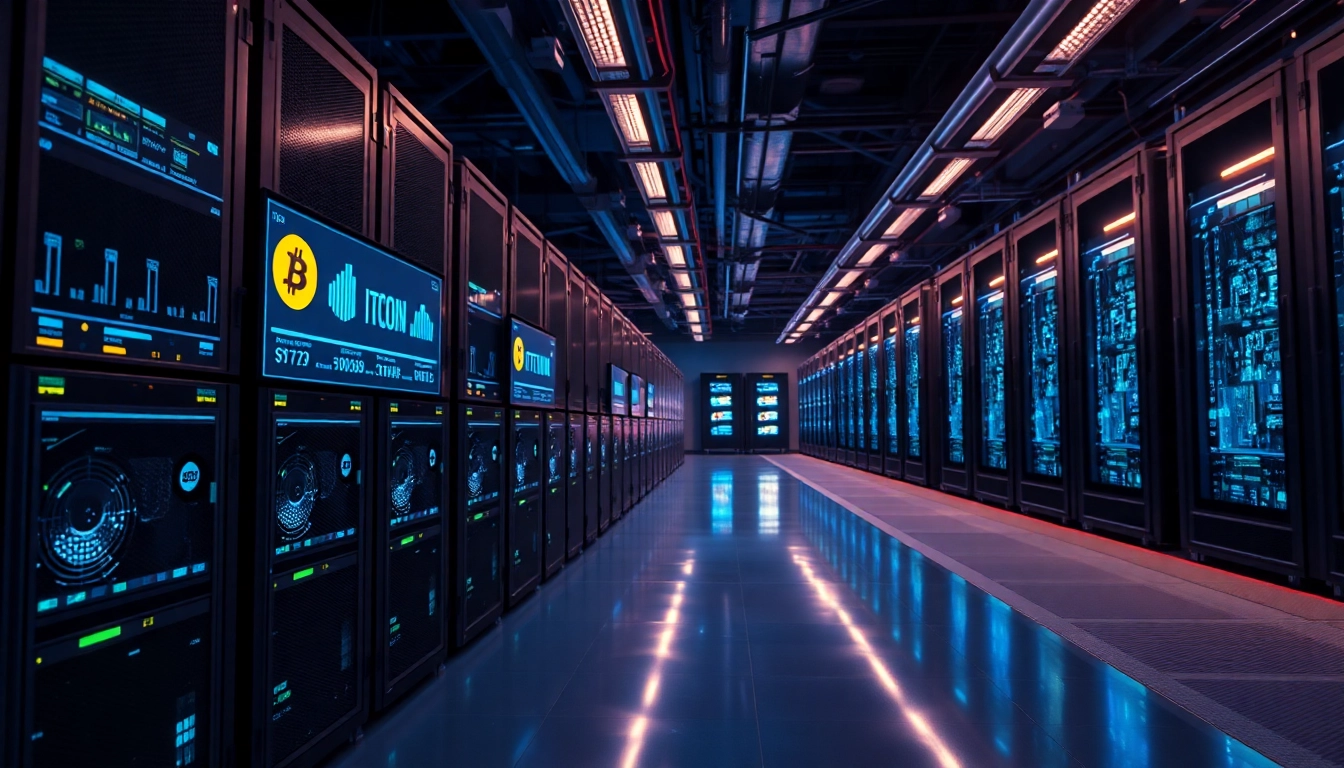
The efficiency and success of bitcoin mining heavily depend on the equipment used. Choosing the right tools can significantly impact profitability. In this section, we’ll explore the essentials of bitcoin mining hardware, how to set up a mining rig, and the implications of power consumption on operational costs.
Choosing the Right ASIC Miner for Maximum Profit
Application-Specific Integrated Circuits (ASICs) are specialized hardware designed for bitcoin mining. They are far more efficient than traditional CPUs or GPUs in processing hashes. When selecting an ASIC miner, consider factors such as hash rate, energy efficiency, and initial cost. Some of the popular models available in 2025 include the Antminer S19 Pro and the WhatsMiner M30S, each offering robust performance and varying price points.
Setting Up Your Mining Rig: A Step-by-Step Guide
- Gather Equipment: Acquire your ASIC miner, a power supply unit, and necessary cooling systems.
- Choose a Location: Select a well-ventilated area as ASIC miners generate significant heat during operations.
- Connect Your Miner: Plug in the power supply and connect your device to the internet via an ethernet cable.
- Configure Software: Install mining software compatible with your hardware. Popular choices include CGMiner and BFGMiner.
- Join a Mining Pool: Consider joining a mining pool to increase your chances of earning bitcoins and stabilizing your income.
- Start Mining: Begin the mining process and monitor your rig's performance, making adjustments as necessary.
Understanding Power Consumption in Mining Operations
Power consumption is a critical factor in bitcoin mining as it directly affects profitability. Miners must balance the costs associated with electricity against the rewards earned from mining. In 2025, energy-efficient miners will gain prominence as regulations around energy usage intensify. Calculating your miner's wattage and local electricity rates can help determine potential profits or losses in your mining operations.
Mining Pools vs. Solo Mining
When deciding to venture into bitcoin mining, one of the fundamental choices you’ll face is whether to join a mining pool or to mine alone. By understanding the dynamics of both options, you can make an informed decision that aligns with your resources and goals.
Deciding Between Mining Pools and Solo Mining
Mining pools are groups of miners who combine their computational resources to increase the likelihood of solving blocks and receiving rewards. In contrast, solo mining entails operating independently, which can be more rewarding but also carries higher risks. In 2025, many miners prefer pools, as they provide a steady stream of smaller rewards, offering greater predictability in earnings.
The Mechanics of Joining a Bitcoin Mining Pool
Joining a mining pool typically involves selecting a pool, creating an account, and configuring your mining software to connect to the pool's server. Most pools operate on a pay-per-share (PPS) or proportional distribution model, allowing miners to receive payouts based on the shares they contributed to solving a block.
Evaluating Your Options: Pros and Cons
- Pros: More predictable income, shared workload, lower variance in rewards.
- Cons: Pool fees can reduce profits, reliance on pool operator.
- Pros: Full control over operations, 100% of the rewards if successful.
- Cons: Highly unpredictable, requires substantial computational power, potentially long downtime.
Profitability Analysis of Bitcoin Mining
Understanding the economics of bitcoin mining is crucial for anyone looking to invest in this venture. In 2025, the landscape continues to shift, influenced by market trends, technological advancements, and regulatory changes. Here, we will analyze how to calculate potential earnings, identify common pitfalls, and explore strategies to maximize profits.
Calculating Your Potential Earnings in 2025
To estimate your potential earnings from bitcoin mining, you will need to consider the hash rate of your mining hardware, electricity costs, pool fees (if applicable), and the current bitcoin price. Several online calculators can assist in this process by inputting your specific parameters to yield an estimated profit margin.
Common Pitfalls and Risks in Bitcoin Mining
Despite its allure, bitcoin mining comes with risks that miners should be aware of. Fluctuating bitcoin prices, increasing difficulty levels, and rising operational costs can impact profitability. Additionally, hardware failures or inadequate cooling can lead to significant losses. Therefore, developing a risk management strategy is crucial for long-term success.
Strategies to Maximize Your Mining Profits
- Invest in Energy-Efficient Equipment: Upgrade to newer miners that offer better performance with lower energy usage.
- Monitor Market Trends: Stay informed about bitcoin price fluctuations and adjust your mining activities accordingly.
- Optimize Your Mining Setup: Use effective cooling systems to prevent overheating and maintain optimal performance.
- Consider Cloud Mining: If initial hardware costs are prohibitive, cloud mining offers a way to rent mining power without the infrastructure challenges.
The Future of Bitcoin Mining
The future of bitcoin mining is poised for significant change as technology evolves and environmental considerations come to the forefront. Conscious mining practices will be vital as the industry grapples with sustainability issues. This section explores emerging technologies, environmental impacts, and trends to watch beyond 2025.
Emerging Technologies in the Mining Industry
New technologies, such as quantum computing and more sophisticated algorithms, are anticipated to revolutionize the mining process. These advancements could lead to faster processing times and enhanced security protocols, thereby increasing the efficiency of bitcoin mining.
Environmental Considerations and Sustainable Mining
In response to environmental concerns, the mining industry is adopting sustainable practices, like the utilization of renewable energy sources. Initiatives to mitigate the carbon footprint of mining operations are becoming increasingly important as regulators impose stricter guidelines regarding energy consumption.
Trends to Watch in Bitcoin Mining Beyond 2025
As we look further into the future, trends such as increasing regulatory scrutiny, advancements in mining technologies, and the potential for new cryptocurrencies will shape the landscape of bitcoin mining. Additionally, the growing popularity of environmentally friendly mining practices will likely influence investment decisions and public perception.