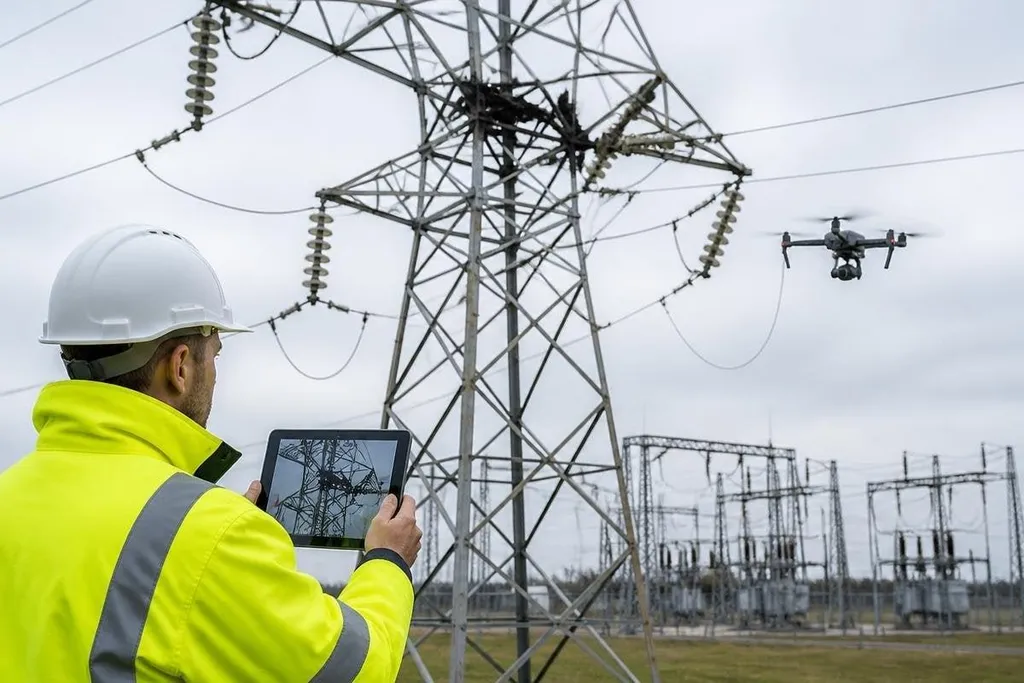
Understanding the Impact of Technology
Technology has revolutionized how we live, work, and communicate, shaping the modern world in profound ways. By definition, Technology is the application of scientific knowledge for practical purposes, leading to innovations that improve efficiency, enhance experiences, and transform industries. As we explore the breadth and depth of technology in this article, we'll delve into its definition, significance, applications in various sectors, and the challenges and opportunities it presents.
What is Technology?
Definition and Historical Context
At its essence, technology encompasses the tools, systems, and processes developed to solve problems or fulfill human needs. Historically, the evolution of technology can be traced back to ancient civilizations that used rudimentary tools for agriculture, hunting, and shelter. From the invention of the wheel to the establishment of the printing press, technology has continually evolved, paving the way for the digital age characterized by computers and the internet. This progression has dramatically influenced cultural, political, and economic aspects of civilizations, reflecting humanity’s relentless quest for improvement and efficiency.
Types of Technology
Technology can be categorized into several domains, each serving different purposes and industries. Here are some key types:
- Information Technology (IT): This involves the use of computers and software to manage information. IT is vital in business operations, enabling efficient data handling and communication.
- Medical Technology: Innovations in medical technology have led to advancements in diagnostics, treatment, and patient care. This includes everything from MRI machines to telemedicine.
- Environmental Technology: This area focuses on developing solutions that help conserve and improve the environment. It includes renewable energy technologies like solar and wind power.
- Communication Technology: This encompasses mediums and devices that facilitate communication, from traditional telephones to social media platforms.
- Industrial Technology: Referring to the machinery and processes used in manufacturing operations, industrial technology has significantly influenced productivity and efficiency in various sectors.
Significance of Technology in Everyday Life
Technology plays a pivotal role in everyday life, affecting how we interact, communicate, and conduct business. Smartphones allow instant access to information, while social media platforms keep us connected with friends and family, regardless of distance. In homes, smart devices enhance convenience and energy efficiency, exemplifying how technology seamlessly integrates into daily routines. Educational institutions utilize technology to provide interactive learning experiences, illustrating its criticality in shaping modern education. Overall, technology not only enhances our quality of life but also drives economic growth by fostering innovation and creating jobs.
The Role of Technology in Business
Improving Efficiency with Technology
In the business landscape, the role of technology is indispensable. Companies leverage various technologies to streamline operations and enhance productivity. For instance, automation tools allow businesses to perform repetitive tasks without human intervention, significantly reducing operational costs and freeing employees to focus on more strategic activities. Cloud computing has transformed how businesses store and manage data, providing scalable solutions that allow for real-time collaboration and improved accessibility.
Data-Driven Decisions in Technology
Data analytics has become a cornerstone of modern business strategy. By harnessing the power of big data, organizations can gain insights into customer behavior, market trends, and operational efficiency. Data-driven decision-making enables businesses to forecast market needs, personalize customer experiences, and optimize resource allocation. Tools such as predictive analytics and business intelligence software empower companies to make informed decisions that drive growth and competitiveness.
Future Trends in Business Technology
The future of business technology is poised for exciting developments, particularly with the rise of artificial intelligence (AI) and machine learning. These technologies will enable companies to enhance customer engagement through chatbots and personalized services. Additionally, the integration of the Internet of Things (IoT) will offer businesses invaluable real-time data from connected devices, facilitating agile decision-making and operational adjustments. As technology continues to evolve, businesses must remain agile, embracing innovations that could redefine their industry's landscape.
Technology in Education
Interactive Learning Tools
Technology has transformed education, making learning more interactive and accessible. Tools such as virtual reality (VR) and augmented reality (AR) offer immersive educational experiences, allowing students to explore complex subjects in an engaging manner. Learning management systems (LMS) enable educators to create and disseminate learning materials efficiently while facilitating assessment and feedback. Furthermore, gamification in education has emerged as a powerful strategy to engage students, drive motivation, and improve knowledge retention.
The Impact of Online Education
Online education has significantly changed the landscape of traditional learning, providing flexible options for students worldwide. Institutions now offer a plethora of courses and degrees online, making education accessible to those who might have branding challenges regarding location or time constraints. Moreover, the rising popularity of massive open online courses (MOOCs) allows anyone with internet access to learn from top universities and educators. This democratization of education empowers individuals to enhance their skills and knowledge at their own pace.
Technology as a Learning Facilitator
As a facilitator of learning, technology supports diverse learning needs through adaptive learning systems that tailor educational experiences to individual students. By leveraging data analytics, these systems can identify knowledge gaps and suggest personalized learning paths, ensuring that all students can thrive. Technology also fosters collaboration, connecting students, educators, and experts from around the world, thus enriching the educational experience and broadening perspectives.
Challenges and Ethical Considerations of Technology
Data Privacy and Security Issues
As technology becomes increasingly integrated into our lives, concerns regarding data privacy and security grow. With vast amounts of personal information being shared online, businesses and individuals face risks of data breaches and misuse. Responsible data management practices and compliance with legal regulations are crucial to safeguarding sensitive information. Organizations must prioritize cybersecurity by adopting robust frameworks and educating employees on best practices to reduce vulnerability.
Technology Addiction and Mental Health
One of the drawbacks of ubiquitous technology is the potential for addiction, particularly among younger generations. Excessive screen time can lead to mental health issues such as anxiety, depression, and social isolation. It is essential for individuals and communities to recognize the signs of technology addiction and promote a balanced use of technology. Initiatives that encourage digital wellness, such as screen-time limitations and mindfulness practices, can create a healthier relationship with technology.
Balancing Technology Use
To harness the benefits of technology while minimizing its drawbacks, finding a balance is crucial. Establishing guidelines for technology usage, especially in family and workplace settings, can foster a healthier environment that promotes productivity and well-being. Encouraging face-to-face interactions alongside digital communication, and setting aside specific times for technology-free activities, can help ensure that technology remains a tool for enhancing rather than dominating our lives.
The Future of Technology
Emerging Technologies to Watch
The technological landscape is ever-evolving, with several emerging technologies poised to make significant impacts in the coming years. Quantum computing promises to revolutionize data processing capabilities, enabling solutions to complex problems that are currently insurmountable. Similarly, advancements in biotechnology could lead to breakthroughs in medicine and agriculture, addressing critical global challenges like food security and disease outbreaks.
Technology and Environmental Sustainability
As the world faces increasing environmental challenges, technology offers innovative solutions for sustainability. Clean energy technologies, such as solar panels and wind turbines, are crucial in reducing carbon footprints and transitioning to greener energy sources. Moreover, developments in waste management and recycling technologies aim to minimize waste and promote circular economies. By investing in sustainable technology, society can work towards ecological balance and a more sustainable future.
Preparing for the Technological Landscape Ahead
To thrive in a rapidly changing technological landscape, individuals and businesses must adopt a proactive mindset. Preparing for emerging technologies involves continuous learning, adaptability, and a willingness to innovate. Organizations should cultivate a culture of creativity and embrace change as opportunities for growth. Educational systems must shift towards skills that complement technological advancements, focusing on critical thinking, creativity, and digital literacy to equip learners for the future job market.